

Pindi Setiawan
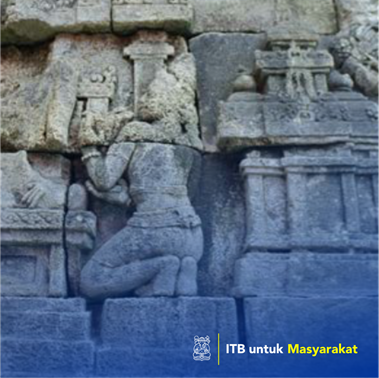
After the restoration and determination as the World Heritage site, Borobudur Temple became a popular culture and widely known. Greet local tourists and foreign tourists visit this site. Tourism activities increased from year to year, and Borobudur has also provided a lot of information systems for visitors, as well as Borobudur parties have developed many digital information sitems, especially those based on websites and video-digital. The developed model is focused on the problem of reading the relief, as it is expected by the manager so that visitors are not directly upward (peak), and from the deployment of the questionnaire to the visitor the least understood thing is the story of the relief, and the meaning of the mudra (the ritual gesture symbolized by The position of the finger and palm) from the Buddha statue. Using this interactive media model is expected to help how to read relief and understand the meaning of the position of the mudra on the Buddha statue in the field. The model developed in this service program is �Hyperbridge� from Media on Surface to Media on Screen (a print ticket connected to the Hypermedia application on mobile phones, or scan-objects on artifacts, then hypermedia information appears on mobile phones). Also develop hyperlinks between online media (online passes and important information about treating Borobudur). This model is expected to match the character of visitors, especially the younger generation who is very accustomed to seeing information hypermedia.
Application of appropriate technology, how much artwork / design / architecture / regional planning, the implementation of social care activities in the form of education / counseling / mentoring
Do not understand the borobudur guides, and teachers (from student visitors) on how to see the right relief, and memorize what the position of the Buddha statue means.